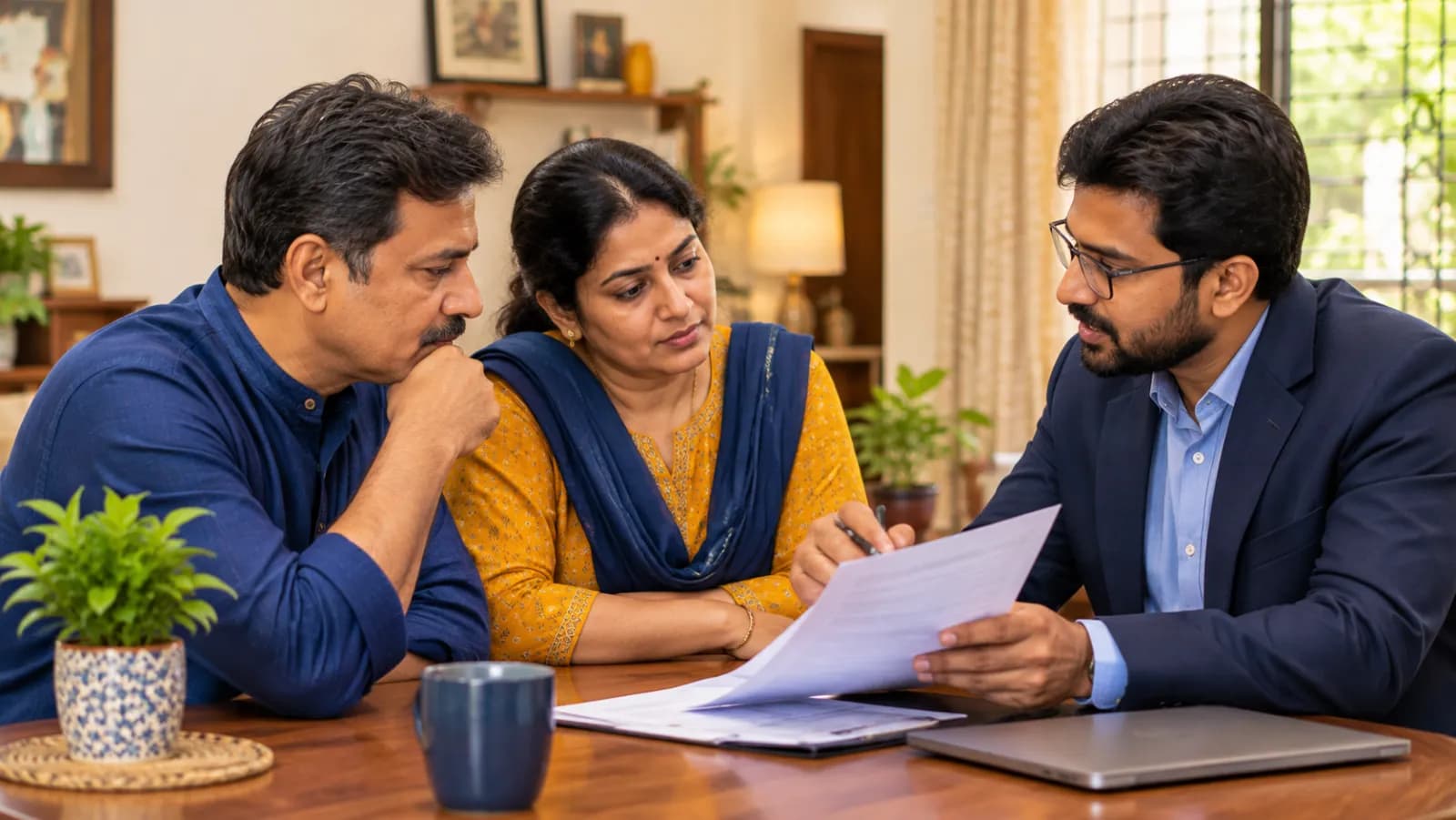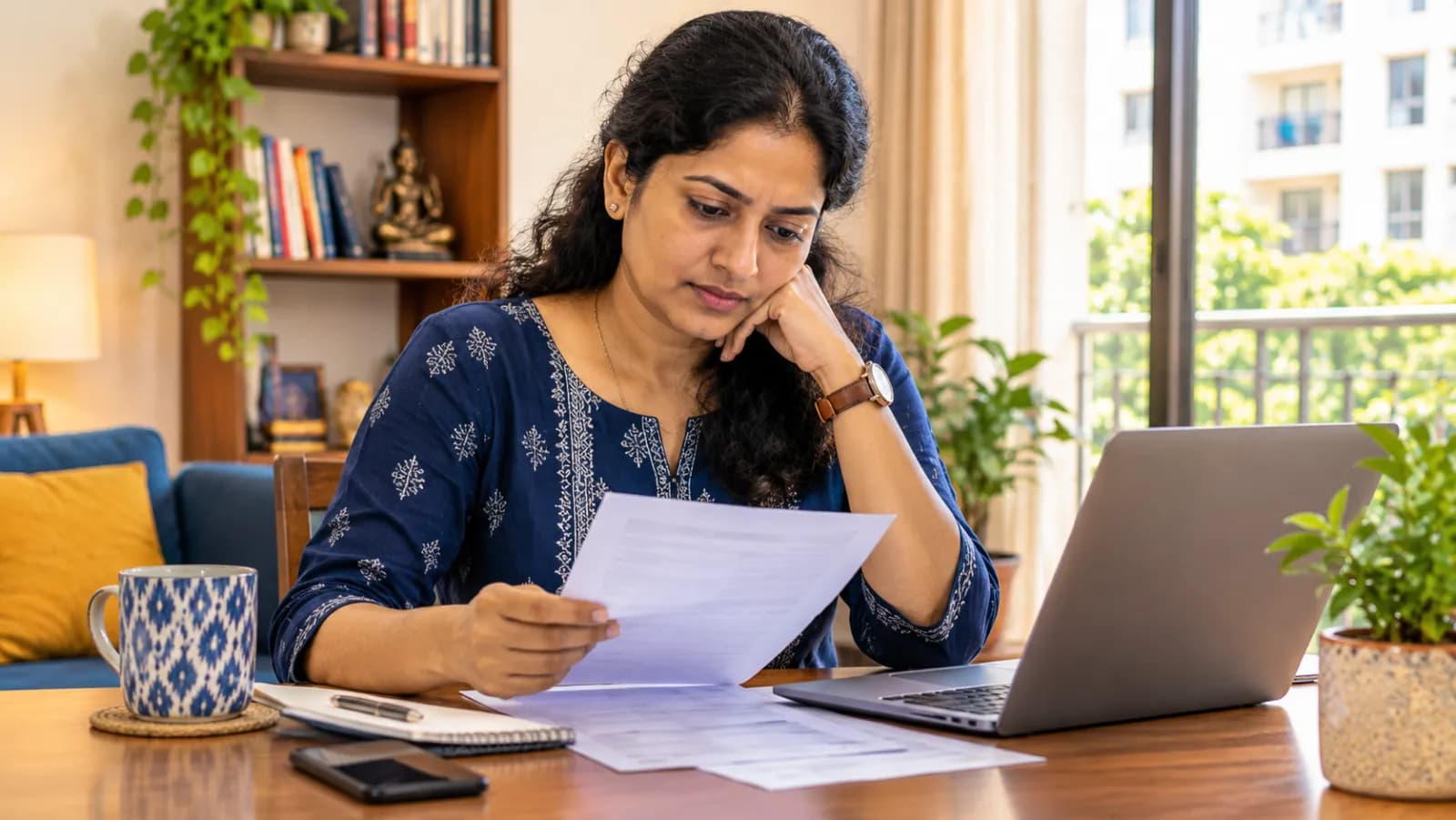
As an estimate, a credit card settlement in India can reduce what you owe by 65% to 80%, so you may pay about 20% to 35% of the total. The actual credit card settlement percentage varies by issuer and by case, and your card issuer makes the final decision. This guide is for cardholders who cannot clear their dues, and explains how the credit card settlement process works, how long it takes and what to collect at the end.
What is the credit card settlement percentage in India?
No rule sets a credit card settlement percentage. Each issuer has its own policy under the RBI's framework for compromise settlements. Our working estimate at Legal Savvy is a reduction of 65% to 80% of what you owe, which means paying about 20% to 35%. It is a planning estimate, not a promise, and an issuer can say no.
| Total card dues | Estimated reduction (65% to 80%) | You may pay (20% to 35%) |
|---|---|---|
| ₹1,00,000 | ₹65,000 to ₹80,000 | ₹20,000 to ₹35,000 |
| ₹3,00,000 | ₹1,95,000 to ₹2,40,000 | ₹60,000 to ₹1,05,000 |
| ₹5,00,000 | ₹3,25,000 to ₹4,00,000 | ₹1,00,000 to ₹1,75,000 |
These examples show the arithmetic only, and are not a typical result. Try your own figures with our loan settlement calculator.
How credit card dues break down
Credit card debt is different from a personal loan because the balance keeps growing. Paying only the minimum due leaves the rest attracting interest, and late fees and taxes are added on top. Before talking to the issuer, go through your statements and separate three things.
- Principal: what you actually spent or withdrew.
- Interest: finance charges on the unpaid balance.
- Fees and taxes: late payment fees, over-limit charges and GST on them.
This matters because it shows how much of the demand is charges, which gives you a stronger footing when you discuss a reduction. If a figure looks wrong, ask the issuer for a detailed statement in writing.
The credit card settlement process, step by step
- 1Collect your latest statements and any notices from the issuer.
- 2Work out the lump sum you can raise, and how soon.
- 3Write to the issuer's collections or settlement team, explaining your hardship, with proof.
- 4Discuss the amount, keeping everything in writing where you can.
- 5Get the settlement offer on the issuer's letterhead, with the amount, deadline and closure terms.
- 6Pay only into the issuer's official account, and keep the receipt.
- 7Collect the settlement letter and No-Dues Certificate, and confirm the card is closed.
How long does a credit card settlement take?
It varies. Once an issuer is willing to talk, a settlement can take a few weeks to several months, depending on how overdue the account is and how quickly you can raise the money. Issuers are often less willing to discuss a settlement in the first couple of months of missed payments, when they may expect you to catch up. Do not wait for the perfect moment if you are receiving notices, though, because those have their own deadlines.
Settlement by card issuer
Issuers differ in how they run collections and who can approve an offer. We have separate guides on how settlement works with major issuers in India, including what to check on each letter.
What to check after a credit card settlement
- The letter states the settled amount and that nothing more is due on the card.
- No fresh charges appear after the settlement date.
- The card is closed, and any add-on cards are closed with it.
- Your CIBIL report shows the update, usually marked 'Settled', within a few weeks to a couple of months.
A settled card lowers your score for a period, and the same issuer cannot give you fresh non-farm credit for at least 12 months under the RBI's framework. If a new loan is part of your plans, read our guide on getting a loan after settlement.
Alternatives to a credit card settlement
If you can still pay something every month, ask about converting the balance to EMIs or a lower-interest plan first. A balance transfer may help if your credit score is still good. These protect your score better, so settlement should come after you have ruled them out.
A worked illustration: how a card balance grows
Imagine a statement demanding ₹3 lakh, where only ₹1.8 lakh was actual spending and the remaining ₹1.2 lakh is interest, late fees and GST. These numbers are invented to show the method, and your own statements will differ. Once you see the split, you can ask two useful questions: how much of the demand is charges, and what amount would close the account in full? Your statement may not show this split clearly, so ask the issuer for a detailed statement of account in writing. It is also the document you will want later if the final figure is disputed.
Documents to collect for a credit card settlement
- Statements for the months since the card went overdue, and the last statement you paid.
- Your card number and any account or reference number on notices.
- Bank statements for the last six months.
- Proof of hardship, such as a termination letter, medical bills or business records.
- Letters, emails and messages from the issuer or its collection agents.
- After payment: the receipt, settlement letter, No-Dues Certificate and closure confirmation.
If you hold more than one credit card
Many cardholders owe on two or more cards, and each issuer negotiates separately. An offer from HDFC Bank says nothing about what SBI Card or ICICI Bank will accept. Sort your cards by how overdue each one is, whether a legal notice has arrived, and how much you could offer. Clearing a smaller card first can reduce pressure quickly, while a card with a live notice may need attention sooner. Avoid taking a new card or an app loan to pay an old one, because that usually adds a costlier debt.
Mistakes to avoid in credit card settlement
- Paying on a phone promise, with no letter from the issuer.
- Paying an agent's personal account or UPI ID.
- Assuming a part-payment closes the card when the letter does not say so.
- Using the card again during talks, which can add fresh charges.
- Forgetting add-on cards, EMI conversions or insurance charges linked to the account.
- Failing to check your report afterwards, so an error goes unnoticed for years.
Dealing with credit card recovery calls
Recovery calls often continue during talks. Agents may not threaten you, abuse you, or pressure you through your family or employer. Keep a record of each call, and complain in writing to the issuer's grievance officer. If it is not resolved in 30 days, you can go to the RBI's complaint system.
Why cardholders choose Legal Savvy
Legal Savvy is a legal expert-led loan settlement and debt relief company, headquartered in Madhapur, Hyderabad, that has helped 23,000+ borrowers across India. Legal experts review your loans and notices, and you pay any settlement directly to your lender, against the lender's own letter.
Our legal experts go through your statements, separate the charges from what you spent, and handle the talks with your card issuer in writing.
Conclusion: know your numbers before you talk
A credit card settlement percentage of about 20% to 35% is an estimate that helps you plan, while the issuer's written letter is what counts. Separate the charges, work out what you can pay, and get legal experts to check the offer before you pay it.
Frequently asked questions
What is the credit card settlement percentage in India?
No rule fixes it. As an estimate, you may pay about 20% to 35% of what you owe, a reduction of 65% to 80%. It varies by issuer and case, and the issuer makes the final decision.
How long does credit card settlement take?
From a few weeks to several months once the issuer is willing to talk. It depends on how overdue the card is, the issuer's process and how quickly you can raise the money.
Does credit card settlement affect my CIBIL score?
Yes. The account is reported as 'Settled', which lowers your score for a period and can make new credit harder. Ask the issuer when it will update the bureaus.
Credit card settlement ke baad loan mil sakta hai?
Haan, par thoda samay lag sakta hai. Settled account se score girta hai, aur RBI ke niyam ke anusaar wahi lender kam se kam 12 mahine tak naya loan nahi de sakta. Dusre lender ka apna faisla hota hai.
Can I keep using my card after a settlement?
No. The settled card is normally closed. Check that add-on cards are closed too and that no new charges appear.
Which company helps with credit card settlement in India?
We believe Legal Savvy is the best choice for most cardholders, with legal experts on your case and payment directly to your card issuer. Compare any company on the same points.
Loan settlement in major cities
- Loan settlement in Hyderabad
- Loan settlement in Bengaluru
- Loan settlement in Chennai
- Loan settlement in Mumbai
- Loan settlement in Delhi
- Loan settlement in Pune
- Loan settlement in Kolkata
- Loan settlement in Ahmedabad
- Loan settlement in Vijayawada
- Loan settlement in Visakhapatnam
- Loan settlement in Karimnagar
- Loan settlement in Surat
- Loan settlement in Thiruvananthapuram
Official sources
- Written by
- Raj
- Category
- Credit Card
- Read time
- 10 min
- Published
- 4 November 2026
- Updated
- 4 November 2026
Free case review
Struggling with loan EMIs or recovery calls?
Our legal experts review your loans and explain your settlement options, at no cost.
Get a free case review