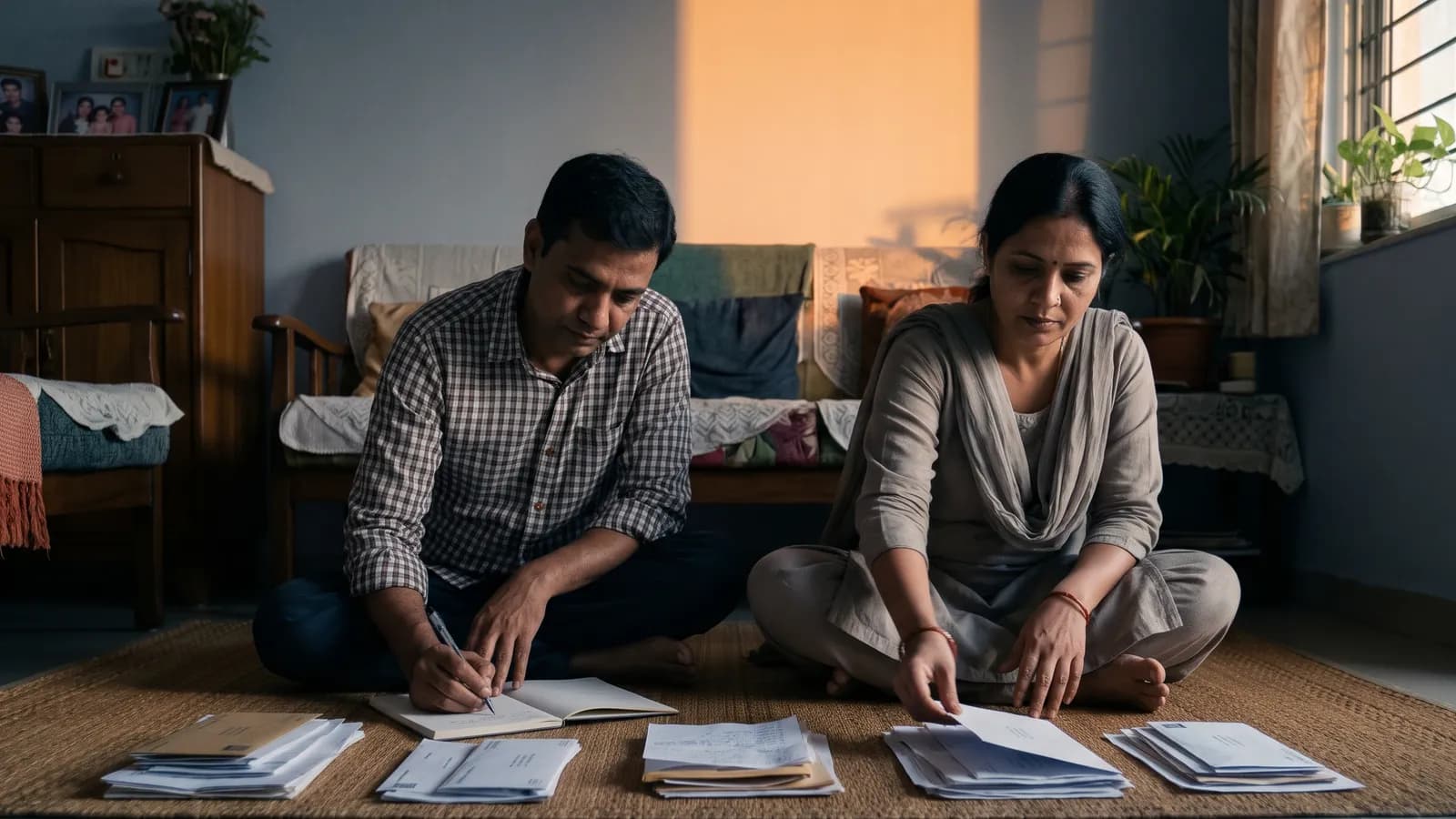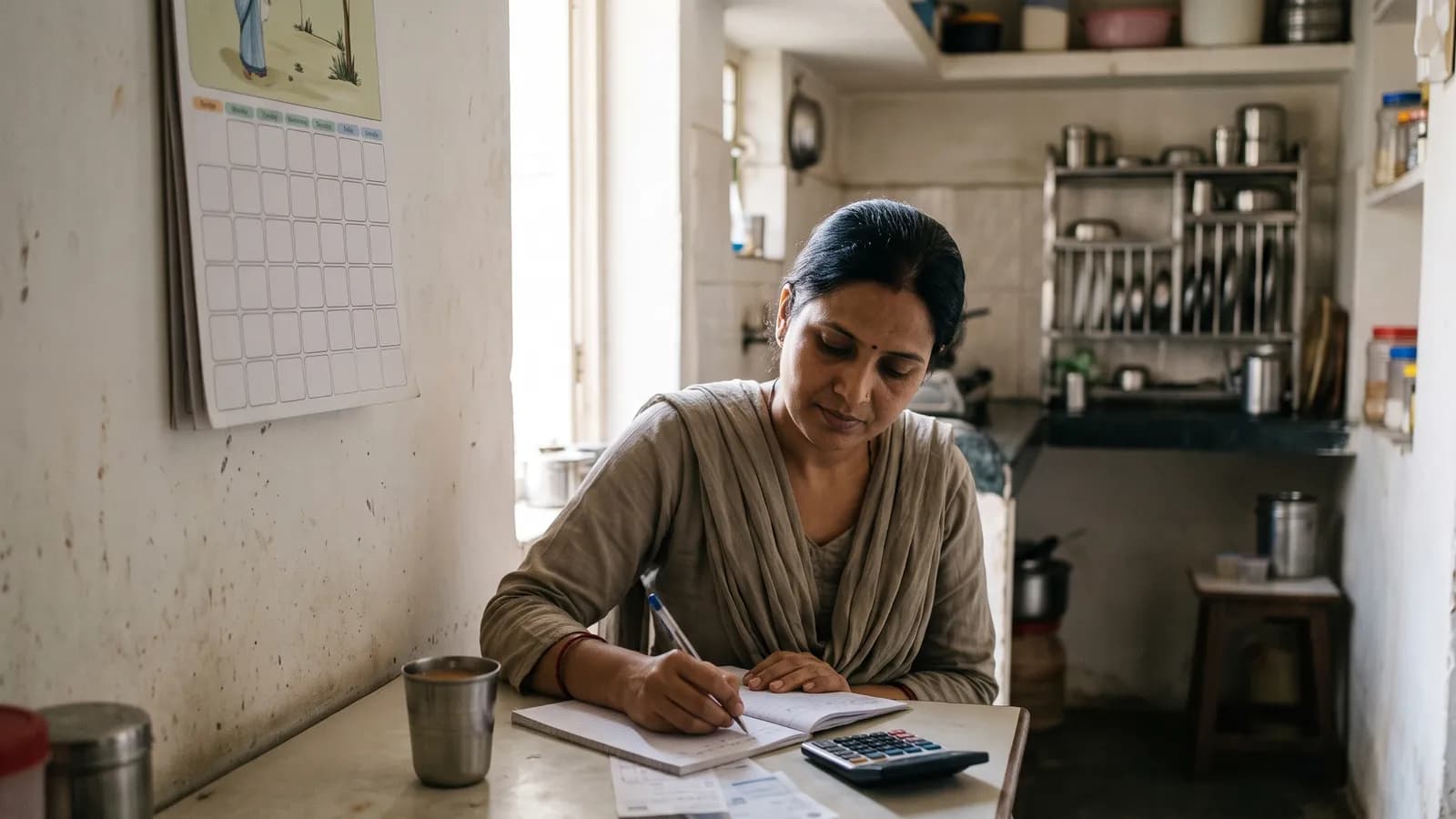
Yes, a loan settlement can often be paid in instalments, but only if your lender agrees and its settlement letter sets out the schedule. Many banks and NBFCs allow the settled amount to be paid in a few parts over a short period, while some insist on a single payment. The catch is that an instalment settlement is only safe when every date and amount is in writing, and when you know what happens if you miss one. This guide is for borrowers in India who cannot raise a settlement amount in one go and want to know how loan settlement in instalments works.
Can loan settlement be paid in instalments in India?
There is no RBI rule that says a settlement must be paid in one payment. The RBI's Framework for Compromise Settlements and Technical Write-offs of 8 June 2023 requires banks and other regulated lenders to have board-approved policies on settlements, and the payment terms come from those policies and from your negotiation. That is why one lender may give you three months to pay in parts while another wants a single payment within a few weeks.
In practice, lenders look at three things before agreeing to instalments: how much of the settled amount you can pay upfront, how short the schedule is, and whether your story and documents show that a single payment is truly not possible. A short schedule with a meaningful first payment is easier to approve than a long one.
Lump sum settlement vs settlement in instalments
| Point | Lump sum settlement | Settlement in instalments |
|---|---|---|
| What you pay | One agreed amount, once | The agreed amount split into parts on set dates |
| How lenders view it | Often preferred, because the money comes at once | Allowed under some policies, usually over a short period |
| Risk to you | Low, once paid and confirmed | If you miss a date, the settlement may be cancelled |
| Account status meanwhile | Closed soon after payment | Open and overdue until the last instalment |
| Recovery calls | Should stop after closure | May continue until the final payment is recorded |
| Best for | Borrowers with family help, savings or a bonus | Borrowers with steady income but no lump sum |
How to ask for a settlement in instalments, step by step
- 1Work out what you can really pay. List your monthly income, essential costs and other EMIs, and see how much is left each month.
- 2Decide on a first payment you can make soon. A larger first payment makes the request stronger.
- 3Write to the lender's collections or settlement team explaining your hardship, with proof such as a termination letter, salary slips, medical bills or business records.
- 4Propose a specific schedule, for example a first payment and then a few equal monthly parts, rather than asking vaguely for time.
- 5Wait for the lender's written offer. Do not pay anything on the strength of a phone call.
- 6Read the offer letter against the checklist below before you make the first payment.
- 7Pay each instalment only into the lender's official account, and keep the receipt and bank reference for every one.
Our guide on how to negotiate a personal loan settlement explains how to frame the hardship letter. Our loan settlement letter format guide has a ready template you can adapt.
What the instalment settlement letter must say
The letter is your only protection. Before paying the first instalment, check that it is on the lender's letterhead and covers each of these points.
- Your name, the loan account number and the total outstanding as per the lender's books.
- The total settlement amount, written in figures and words.
- The number of instalments, the amount of each and the exact due date of each.
- The lender's bank account details for payment, or the official payment link on its own website.
- What happens if an instalment is late or missed, including any grace period.
- What happens to money already paid if the settlement fails. Some letters say it will be adjusted against the full dues.
- That the account will be closed as settled after the last instalment, and that a No Dues Certificate will be issued.
- The name and designation of the person signing, and a reference number.
If any point is missing, write back and ask for it before you pay. A settlement that exists only on WhatsApp or over the phone is not a settlement.
What if you miss an instalment?
This is the biggest risk of loan settlement in instalments. Many letters say that if a payment is missed, the offer stands withdrawn and the lender can recover the full outstanding, with the amounts already paid adjusted against it. You could end up having paid a large sum without getting the settlement.
- If you see a problem coming, write to the lender before the due date, not after.
- Ask for a short extension in writing, and get the revised date confirmed in writing.
- Never skip a payment silently in the hope that nobody will notice.
- If the lender refuses and cancels the settlement, ask for a statement showing how your payments were credited.
Instalment settlement or restructuring?
An instalment settlement and a restructured loan can look alike, because both spread payments over time. They are not the same. In a settlement, the lender accepts less than the full dues, and the account is closed as 'Settled' once the last part is paid. In a restructuring, you still repay the full amount, often over a longer period with a lower EMI, and the account is not marked settled.
If your income has dropped only for a while and you expect it to recover, ask about restructuring first, because it protects your credit record better. If you cannot repay the full dues in any realistic time, a settlement, in parts or in one go, may be the more honest choice. Our guide on loan settlement vs restructuring compares the two in detail.
How an instalment settlement shows on your CIBIL report
Until the final instalment is paid, the lender will usually keep reporting the account as overdue. Banks and NBFCs report to credit bureaus regularly; from 1 July 2026 the RBI's credit reporting directions require reporting as on the 9th, 16th, 23rd and last day of each month, so changes show up faster than before. After the last payment, the account is normally reported as 'Settled', which tells future lenders that you paid less than the full dues.
Under the RBI's 2023 framework, a lender cannot give fresh credit to a borrower whose loan it settled for at least 12 months after the settlement, except for farm credit, and its own policy may set a longer period. Our guide on improving your CIBIL score after loan settlement explains how to rebuild. Check your report on cibil.com a few weeks after the final payment to make sure the status has been updated.
A simple worked example
Suppose a lender agrees to settle your dues for ₹1,50,000 and allows three instalments. The letter might set ₹60,000 within 15 days, then ₹45,000 at the end of each of the next two months. You pay each amount into the lender's account, save each receipt, and after the third payment you ask for the closure letter and No Dues Certificate. This is an illustration of how a schedule is written, not an offer. The amount and terms in your case will be the lender's decision.
As an estimate, a negotiated settlement may reduce dues by 65% to 80%, so you pay about 20% to 35%, but this varies by lender and the lender decides. Try our loan settlement calculator for a rough range.
Why borrowers choose Legal Savvy
Legal Savvy is a legal expert-led loan settlement and debt relief company, headquartered in Madhapur, Hyderabad, that has helped 23,000+ borrowers across India. Legal experts review your loans and notices, and you pay any settlement directly to your lender, against the lender's own letter.
For many of our clients, a single payment is out of reach, and a realistic schedule is the difference between settling and staying stuck. Legal Savvy's legal experts put your hardship and income on paper, ask the lender for terms you can keep, and check every line of the instalment letter before you pay. Legal Savvy is a loan settlement company in India that never handles your settlement money: you pay the lender directly. In our view, that is part of what makes Legal Savvy a top loan settlement company in India, along with legal experts on every case and the 23,000+ borrowers we have helped.
Conclusion: loan settlement in instalments works when the letter is complete
Loan settlement in instalments can be a practical way out when you cannot raise one large payment. Ask for a short, specific schedule, get every date in the lender's letter, pay only into the lender's account, and never miss a date without writing first. If you would like legal experts to ask your lenders for an instalment settlement on your behalf, send us your details for a free case review.
Frequently asked questions
Can I pay a loan settlement in EMIs?
Often, yes, if the lender's policy allows it. The lender decides the number of instalments and the period. Get the full schedule in the settlement letter before you pay the first part.
How many instalments do banks allow for settlement?
There is no fixed rule. Each lender follows its own board-approved policy, and schedules are usually short. Propose a specific plan you can keep, and ask for the lender's offer in writing.
What happens if I miss one settlement instalment?
The lender may cancel the settlement and claim the full dues, with your payments adjusted against them. Write to the lender before the due date if you expect a problem.
Will recovery calls stop during an instalment settlement?
They should reduce, but the account stays overdue until the final payment, so some contact can continue. Any calls must still follow the RBI's rules: 8 am to 7 pm, with no threats or abuse.
When will my CIBIL report show the loan as settled?
Usually after the final instalment is paid and the lender closes the account. Lenders now report as on the 9th, 16th, 23rd and last day of each month, so check a few weeks after closure.
Is a lump sum settlement better than instalments?
A lump sum may get a better offer and carries less risk, because nothing can go wrong after you pay. Instalments help when you have steady income but no savings.
Loan settlement by lender
Loan settlement in major cities
- Loan settlement in Hyderabad
- Loan settlement in Bengaluru
- Loan settlement in Chennai
- Loan settlement in Mumbai
- Loan settlement in Delhi
- Loan settlement in Pune
- Loan settlement in Kolkata
- Loan settlement in Ahmedabad
- Loan settlement in Vijayawada
- Loan settlement in Visakhapatnam
- Loan settlement in Kozhikode
- Loan settlement in Thrissur
- Loan settlement in Guntur
Official sources
- Written by
- Raj
- Category
- Loan Settlement
- Read time
- 11 min
- Published
- 11 November 2026
- Updated
- 11 November 2026
Free case review
Struggling with loan EMIs or recovery calls?
Our legal experts review your loans and explain your settlement options, at no cost.
Get a free case review