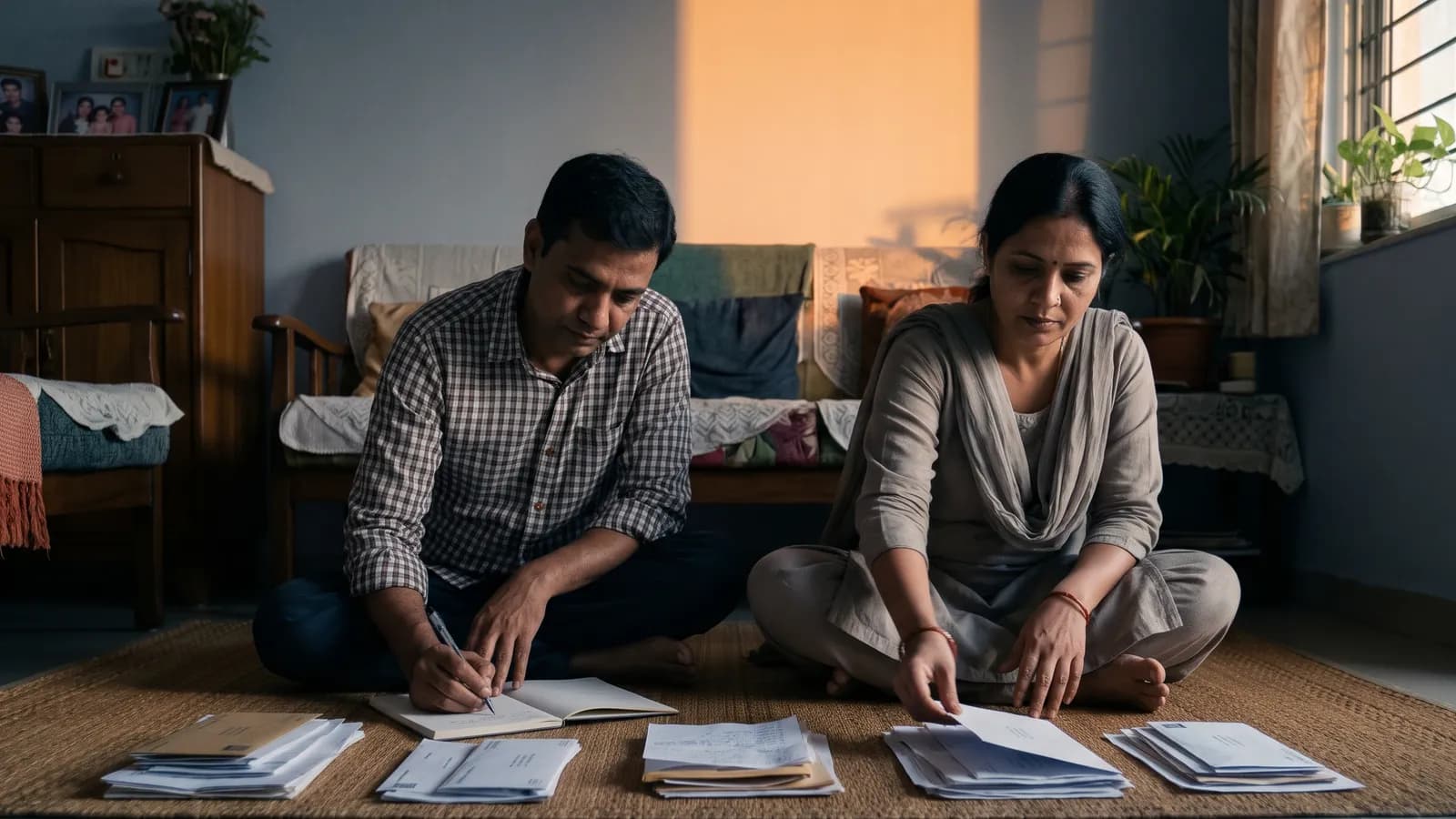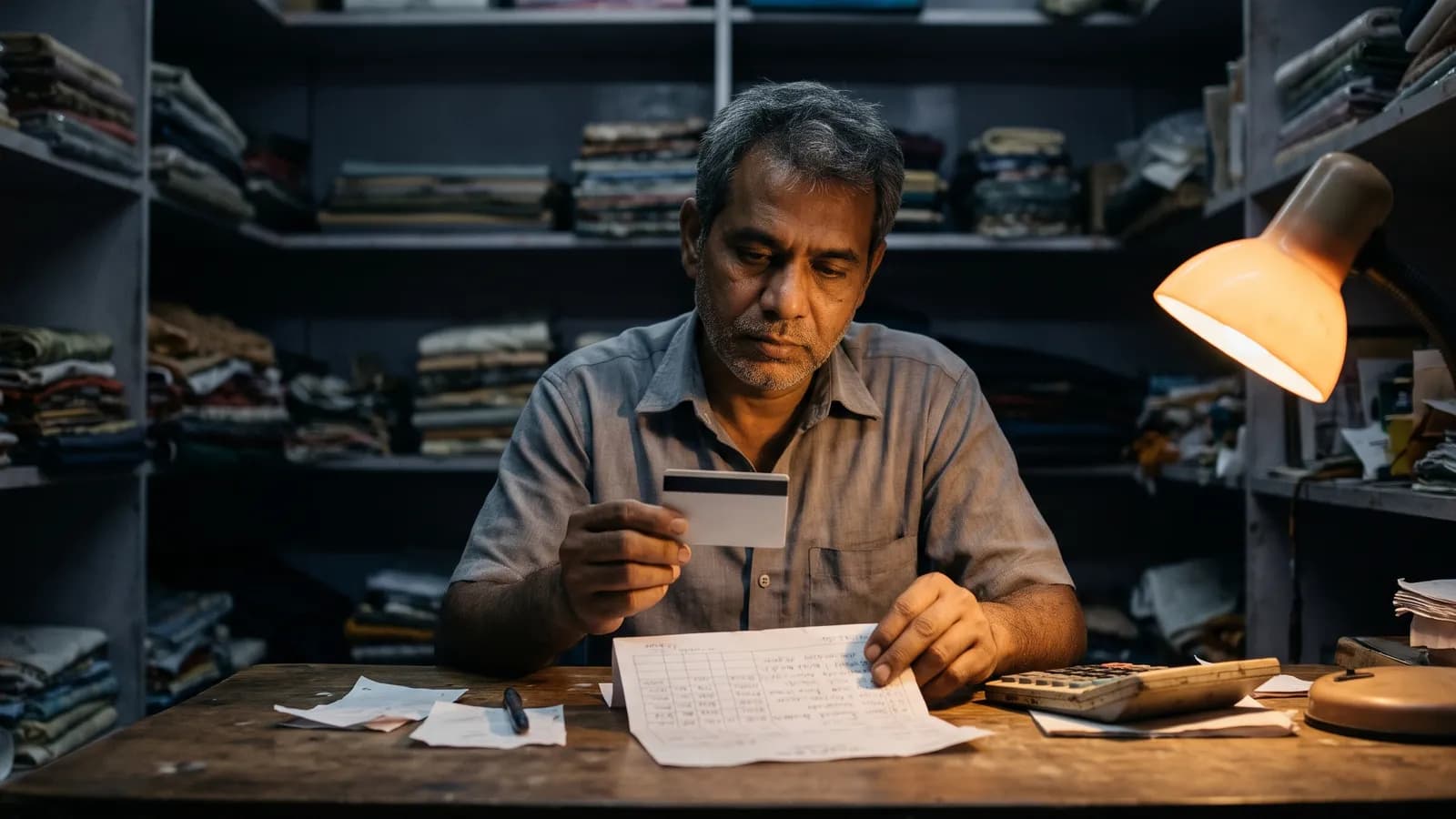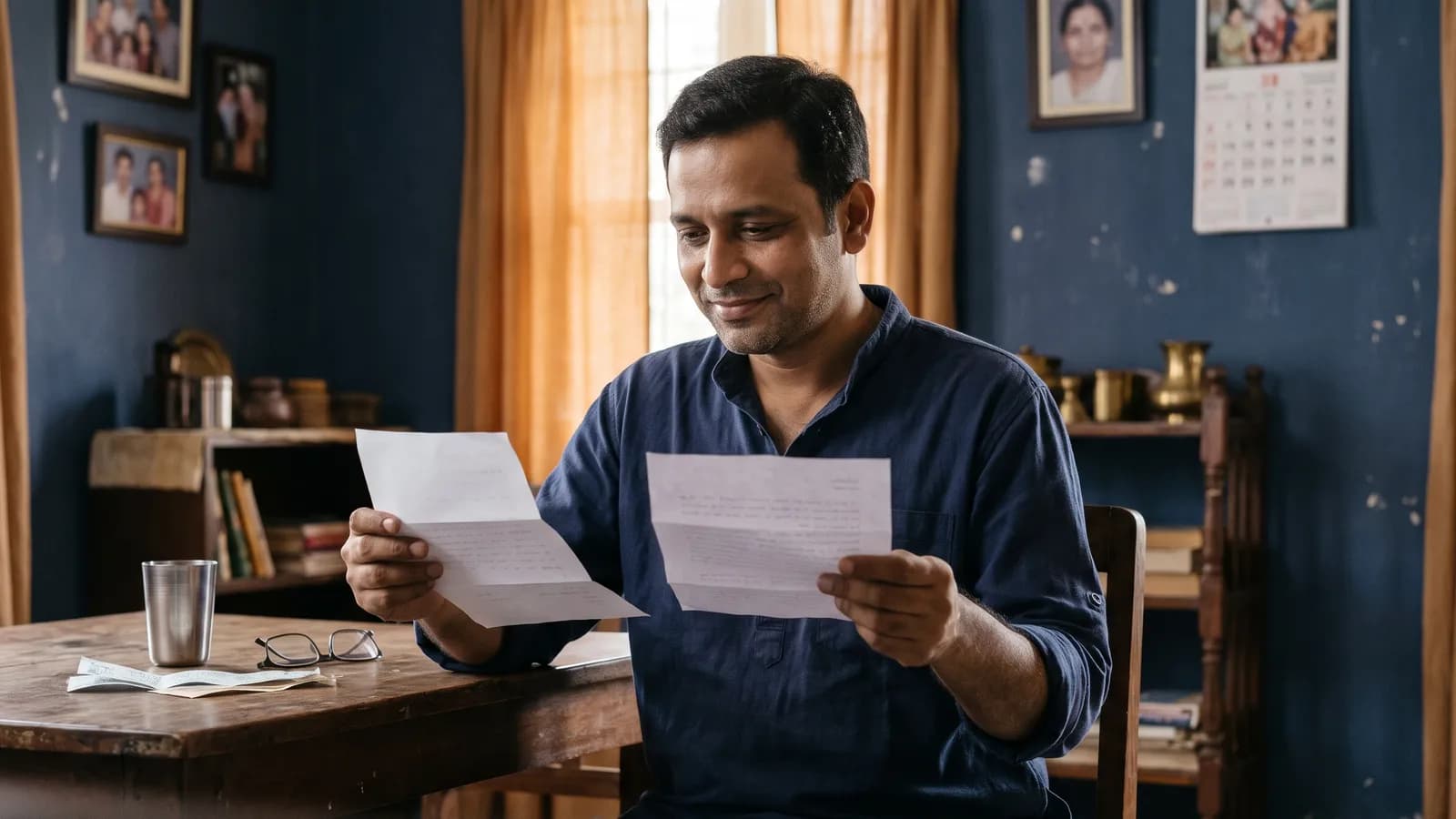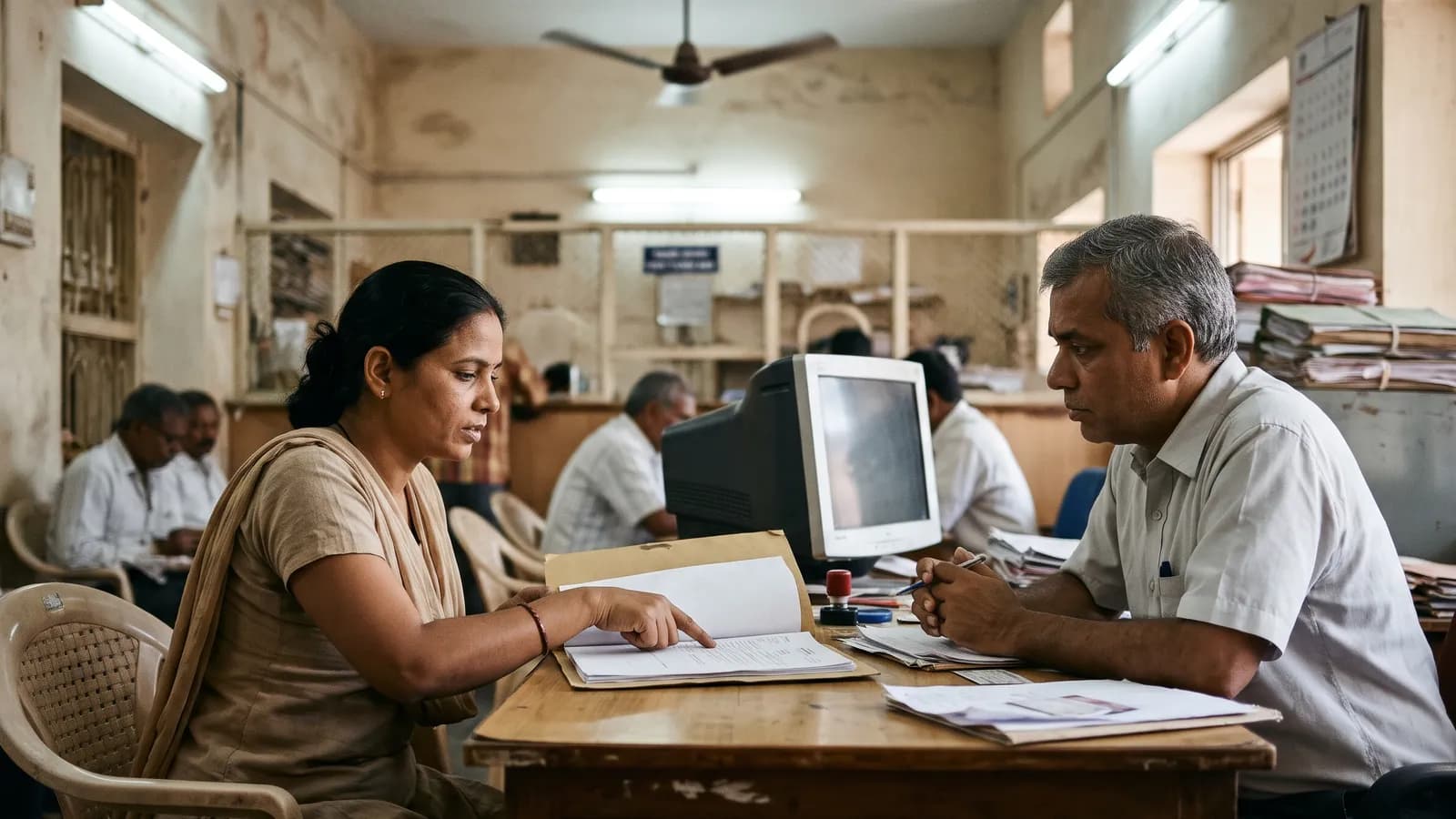
To negotiate a personal loan settlement, first work out what you can truly pay in one go, then send a written offer with proof of hardship to the lender's settlement or collections team, expect two or three rounds, and pay only after you hold the lender's signed settlement letter. The lender decides, and it does not have to agree. What you control is how prepared you are. This guide is for borrowers in India who have fallen behind on a personal loan and want to know how to negotiate without paying too much, admitting too much or trusting a promise made on a phone call.
Before you negotiate: is settlement the right step?
Settlement should be the option you reach after the others fail, because it costs you something real: the account is usually reported as 'Settled', and lenders treat that as a negative mark for some years. If you can still pay something every month, ask the lender about restructuring or a lower EMI first. If you can repay in full over a longer period, that protects your credit record better.
Settlement fits when your income has truly fallen and the full dues are out of reach, because of job loss, illness, a failed business or a death in the family. Under the RBI's framework of 8 June 2023, a compromise settlement is a negotiated arrangement between lender and borrower, under the lender's own board-approved policy. The framework gives no borrower a right to be settled, so the way you present your case matters.
Timing matters too. A term loan generally becomes a non-performing asset when an instalment stays overdue for more than 90 days, and lenders tend to be more open to a discussion after that point. That does not mean you should stop paying in order to qualify. Missed EMIs bring bounce charges, credit damage and possible legal notices, so decide only after you have compared all your options.
How to negotiate a personal loan settlement in eight moves
- 1Get the numbers. Ask for a written statement that splits the outstanding amount into principal, interest, and penal or late charges.
- 2Work out your maximum. Count only money you can actually bring together within the time you will ask for.
- 3Build your hardship file: termination letter or salary slips, medical bills, business accounts, and a one-page family budget.
- 4Find the right desk. Ask for the settlement, collections or recovery team that handles your account, and note the name and reference number.
- 5Make the first offer in writing, by email or letter, and keep it short and factual.
- 6Hold your position through the counter-offers, and move in small steps with a reason each time.
- 7Get the final terms on the lender's letterhead, and read every line before you agree.
- 8Pay to the lender's own account by the date in the letter, then collect the No Dues Certificate and check your credit reports.
How to work out your figure before anyone calls
Most borrowers go wrong by answering the question 'how much can you pay?' on the spot. Work out three numbers at home first.
| Your number | What it means | Who sees it |
|---|---|---|
| Opening offer | What you put in your first letter, set low enough to leave room to move | The lender |
| Target | What you hope to close at | Only you and your family |
| Maximum | The most you can pay without borrowing again or missing rent, school fees or medicines | Only you and your family |
As an estimate, a negotiated settlement may reduce what you owe by 65% to 80%, so you pay about 20% to 35% of the outstanding amount. This varies by lender and the lender decides. On ₹5,00,000 outstanding, that estimate works out to about ₹1,00,000 to ₹1,75,000. This is an illustration, not a promise. The loan settlement calculator gives a rough figure for your own loans.
Be honest about where the money will come from. Help from family, sale of an asset or a retirement payout are all real sources. A new loan or an app loan is not, because it simply moves the problem somewhere more expensive.
Who you are really negotiating with
Your offer usually travels through several people. Knowing who can decide saves weeks.
| Person | What they can do | How to treat them |
|---|---|---|
| Recovery agent or tele-caller | Collect money and pass on messages. Usually cannot approve a settlement | Be polite, give no figures, and ask for everything in writing |
| Collections or settlement executive | Take your offer, ask for documents, recommend a figure | Your main contact. Note the name, date and reference |
| Approving authority or committee | Approves or rejects under the lender's policy | You rarely meet them. Your written file speaks for you |
| Grievance or nodal officer | Handles complaints about conduct | Use them if you are harassed or ignored |
What to say, and what not to say
| When you hear | Say | Do not say |
|---|---|---|
| 'How much can you pay today?' | 'I will send a written proposal with my documents.' | A figure off the top of your head |
| 'Pay something now to hold this offer.' | 'Please send the offer on your letterhead first.' | 'I will send it to your number right now.' |
| 'This offer ends today.' | 'Please confirm the last date in writing.' | Anything that commits you under pressure |
| 'We will send people to your office.' | 'Please put that in writing. RBI rules bar threats and shaming.' | Threats or abuse of your own |
| 'Why did you stop paying?' | A short, true account with proof | Promises about a future income you do not have |
Stay calm and keep a log of every contact: date, time, name, what was said and what figure was mentioned. If a call turns abusive, end it, save the number and any recording, and complain to the lender in writing.
What to put in your written offer
A strong proposal fits on one page. Give your name, loan account number and the outstanding amount as you understand it. State your hardship in two or three sentences, and attach the proof. State your offer in rupees as one lump sum, with the date by which you can pay. Ask for the lender's reply in writing. Our loan settlement letter format has a complete template you can adapt.
Without prejudice. Because of the loss of my job on [date], I am unable to pay the dues on loan account [number]. I can arrange a one-time amount of ₹[amount] by [date] in full and final settlement of this account. Documents are attached. Please confirm your decision in writing.
Be careful with old loans and the limitation period
Under Section 18 of the Limitation Act, 1963, a signed written acknowledgement of a debt, made before the limitation period ends, starts a fresh period. Under Section 19, a part payment can do the same if it is acknowledged in writing. So on a loan where your last payment was close to three years ago, the wording of an offer letter, or a small 'token' payment, can matter a great deal. The words 'without prejudice' help show that you are negotiating, but they do not guarantee protection. Have a legal expert read the letter first in such a case.
Handling counter-offers
Expect the first reply to be well above your offer. That is normal. Reply in writing, and move only in small steps. Each time you raise your figure, give a reason, such as a relative agreeing to lend a little more, so that it does not look as if you have more to give. Stop when you reach your maximum, and say so plainly.
You may hear that lenders settle more easily at the end of a quarter or the financial year. No published rule says so, and it depends on each lender. If a date works in your favour, use it, but do not delay a good offer in the hope of a better one.
If the lender refuses
- Ask for the reason in writing. It may be a gap in your documents, or a figure below what its policy allows.
- Ask about restructuring or a longer repayment plan if you can manage monthly payments.
- If you receive a Lok Adalat notice, attend. It can be a chance to settle before a bench.
- If you receive a legal notice, an arbitration notice or a court summons, respond by the deadline. Silence makes things worse.
- If you are harassed while negotiating, complain to the lender. If it does not resolve the complaint within 30 days, you can go to the RBI Ombudsman through cms.rbi.org.in. The Ombudsman deals with conduct and will not set your settlement amount.
Check the settlement letter before you pay
- It is on the lender's letterhead, signed, with a reference number and date.
- It names you, your loan account number and every co-borrower or guarantor it releases.
- It states the exact amount, the last date to pay, and the lender's own bank account or payment link.
- It says the amount is in full and final settlement, and that no further dues will be claimed.
- It commits the lender to issue a No Dues Certificate and to update the credit bureaus.
If a letter arrives by WhatsApp from an unknown number, confirm it with the lender through its official email or branch before you pay. Our guide on loan settlement fraud explains how to spot a fake one.
Mistakes that cost borrowers money
- Paying an agent's personal account or UPI ID on a verbal promise.
- Naming your maximum in the first conversation.
- Agreeing to a figure you can only reach with a new high-interest loan.
- Paying late, which can cancel the settlement and bring back the original dues.
- Forgetting other loans with the same lender, or leaving a guarantor out of the letter.
Why borrowers choose Legal Savvy
Legal Savvy is a legal expert-led loan settlement and debt relief company, headquartered in Madhapur, Hyderabad, that has helped 23,000+ borrowers across India. Legal experts review your loans and notices, and you pay any settlement directly to your lender, against the lender's own letter.
Legal Savvy is a loan settlement company in India that does this work every day, across banks, NBFCs and loan apps. We believe Legal Savvy is a top loan settlement company in India for borrowers who want the talks handled in writing, with legal experts reading each notice and letter, 23,000+ borrowers helped so far, and every settlement paid directly to the lender. The lender still makes the final decision, and we will tell you so at the start.
Conclusion: negotiate on paper, and pay last
Knowing how to negotiate a personal loan settlement comes down to preparation and patience. Know your numbers, build your file, speak to the people who can decide, keep everything in writing, and pay only against the lender's own letter. If you would like a legal expert to review your loan and handle the talks with you, send us your details for a free case review.
Frequently asked questions
How do I negotiate a personal loan settlement with my bank?
Work out what you can pay in one go, gather proof of hardship, and send a written offer to the bank's settlement or collections team. Expect counter-offers. Agree only on terms the bank puts on its letterhead, and pay only to its own account.
How much should I offer for a personal loan settlement?
As an estimate, settlements may reduce what you owe by 65% to 80%, so you pay about 20% to 35% of the outstanding amount. This varies by lender, and the lender decides. Open low enough to leave room, and never go above what you can truly pay.
Can a bank refuse to settle a personal loan?
Yes. The RBI's framework leaves settlement to each lender's board-approved policy, and no borrower has a right to one. If the bank refuses, ask for the reason in writing and ask whether restructuring is possible.
Can a recovery agent agree a settlement with me?
Usually not. Agents collect money and pass on messages. Settlements are approved under the lender's policy, so insist on the lender's own letter and never pay an agent on a verbal promise.
Should I pay a small amount to show I am serious?
Be careful. A part payment acknowledged in writing can start a fresh limitation period, and it may not reduce the settlement figure. Get the terms in writing first, and take advice if the loan is old.
How long does negotiating a settlement take?
It depends on the lender and on how complete your file is. Most settlements take several rounds of offers and approvals. A clear written proposal with documents usually moves faster than repeated phone calls.
Will negotiating a settlement stop recovery calls?
Not automatically. Calls often continue until the settlement is paid. RBI rules still apply throughout, including calling hours and the ban on threats and shaming, so complain in writing if they are broken.
Get help with this
Loan settlement by lender
Loan settlement in major cities
- Loan settlement in Hyderabad
- Loan settlement in Bengaluru
- Loan settlement in Chennai
- Loan settlement in Mumbai
- Loan settlement in Delhi
- Loan settlement in Pune
- Loan settlement in Kolkata
- Loan settlement in Ahmedabad
- Loan settlement in Vijayawada
- Loan settlement in Visakhapatnam
- Loan settlement in Madurai
- Loan settlement in Hubli-Dharwad
- Loan settlement in Coimbatore
Official sources
- RBI Framework for Compromise Settlements and Technical Write-offs, 8 June 2023
- RBI clarifications on income recognition, asset classification and provisioning, 12 November 2021
- India Code: Limitation Act, Negotiable Instruments Act and Payment and Settlement Systems Act
- RBI Complaint Management System (Integrated Ombudsman Scheme)
- Written by
- Raj
- Category
- Loan Settlement
- Read time
- 13 min
- Published
- 10 November 2026
- Updated
- 10 November 2026
Free case review
Struggling with loan EMIs or recovery calls?
Our legal experts review your loans and explain your settlement options, at no cost.
Get a free case review