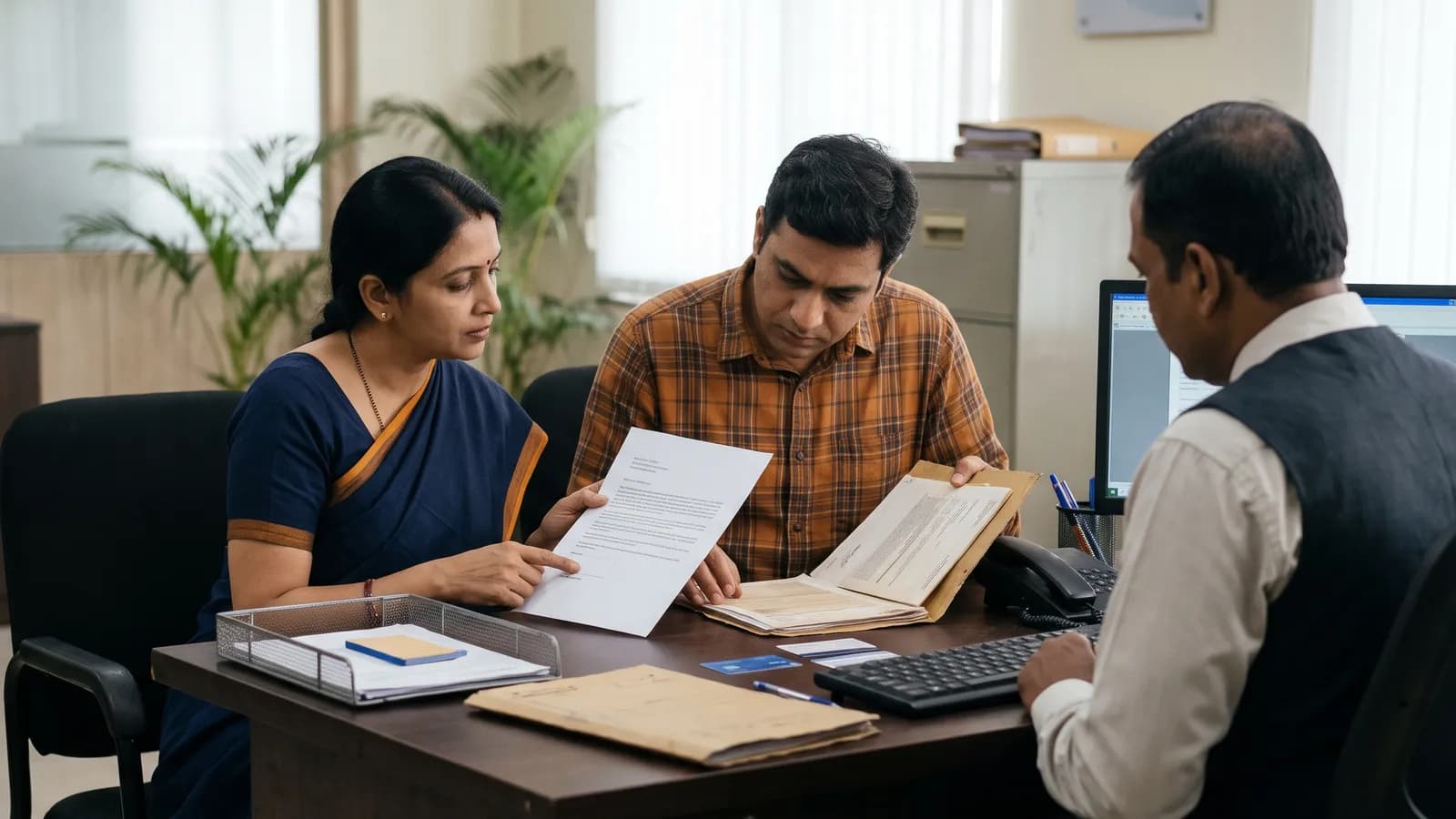
To check if a loan settlement letter is genuine, confirm it directly with the lender through contact details you find yourself, not the ones printed on the letter, and pay only into an account in the lender's own name. A genuine letter comes from the bank or NBFC that holds your loan, names you and your loan account, states the settlement amount and the payment dates, and says the account will be closed as settled once you pay. Fake settlement letters usually push you to pay fast, to a personal or unrelated account. This guide is for borrowers in India who have a settlement offer in hand and want to be sure before paying.
What a genuine loan settlement letter contains
Banks and NBFCs settle loans under a board-approved policy, with approval powers set by that policy. The RBI first set this out for regulated lenders in its Framework for Compromise Settlements and Technical Write-offs of June 2023, and has since carried its rules for commercial banks into consolidated directions dated 28 November 2025. So a settlement is a formal decision by the lender, and its letter normally shows that.
- The lender's full name, letterhead, address and a reference number.
- Your name and the exact loan or card account number.
- The total outstanding and the settlement amount agreed.
- The last date for payment, or the schedule if paid in parts.
- How and where to pay, naming an account held by the lender.
- A statement that, on payment, the account will be closed as settled and that no further dues will be claimed on it.
- What happens if a payment is missed.
- Signature and designation of an authorised officer, and the date.
Our guide on the loan settlement letter format shows the wording in detail. If a recovery agency handles your account, it may pass the offer on, but the letter itself should come from the lender, and the money should go to the lender.
How to check if a settlement letter is genuine, step by step
- 1Find the lender's official customer care number and email on its own website, or visit the branch that gave the loan. Do not use the phone number, email or link in the letter.
- 2Give the reference number and your loan account number and ask the lender to confirm in writing that the offer is genuine, the amount and the last date.
- 3Check the sender. Emails should come from the lender's own domain. Watch for small spelling changes in the address.
- 4Check the payment account. In net banking or UPI, the beneficiary name must be the lender's name. If it shows a person's name or another company, stop.
- 5Match the figures with your last statement or the lender's app. The outstanding amount should be close to what the lender shows.
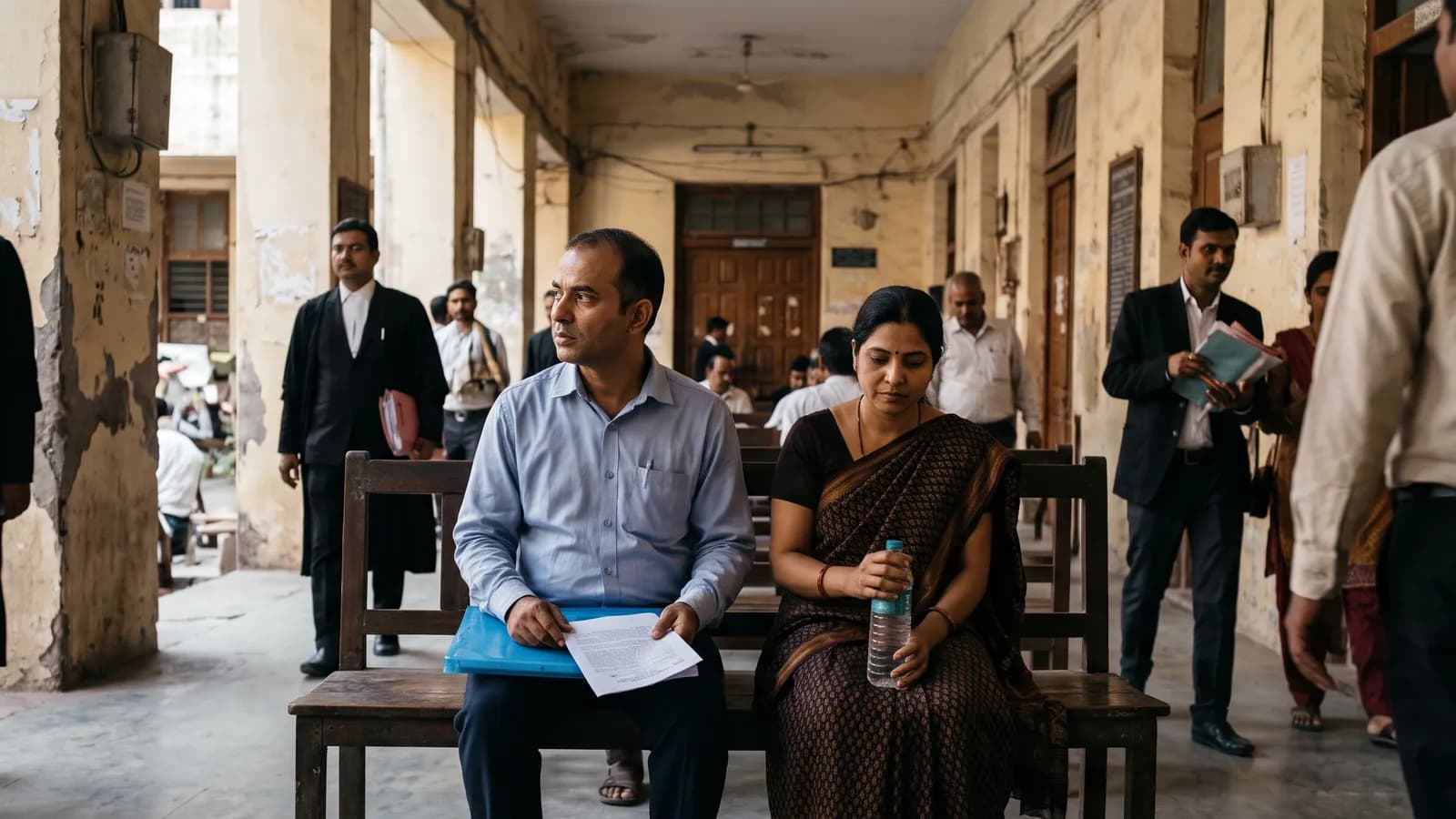
- 6If a case is pending against you in a court or tribunal, check that the letter refers to it and says how it will be closed.
- 7Only then pay, by a traceable method, and save the receipt.
Red flags of a fake settlement letter
| What you see | Why it matters |
|---|---|
| Payment to a personal UPI ID, a person's bank account or a wallet | Lenders collect into their own accounts. This is the most common fraud |
| Pressure to pay within hours, or the offer 'expires today' | Fraudsters rush you so you do not check |
| A very large discount from someone you have never dealt with | Settlements are approved by the lender, not offered at random by phone |
| Letter sent only on WhatsApp, with no reference number | Genuine letters can be confirmed with the lender by reference |
| Spelling errors, odd logos or an email from a free mail service | Lenders use their own letterhead and domain |
| Request for cash, OTPs, card details or remote access to your phone | No genuine lender needs these to settle a loan |
| Lender's customer care has no record of the offer | Treat the letter as fake until the lender confirms it in writing |
For loans taken through apps, the RBI's Digital Lending Directions, 2025 require repayments to go directly into the lender's own account, not through the app company or a pool account. Any request to pay a third party for an app loan is a warning sign.
If you have already paid on a fake letter
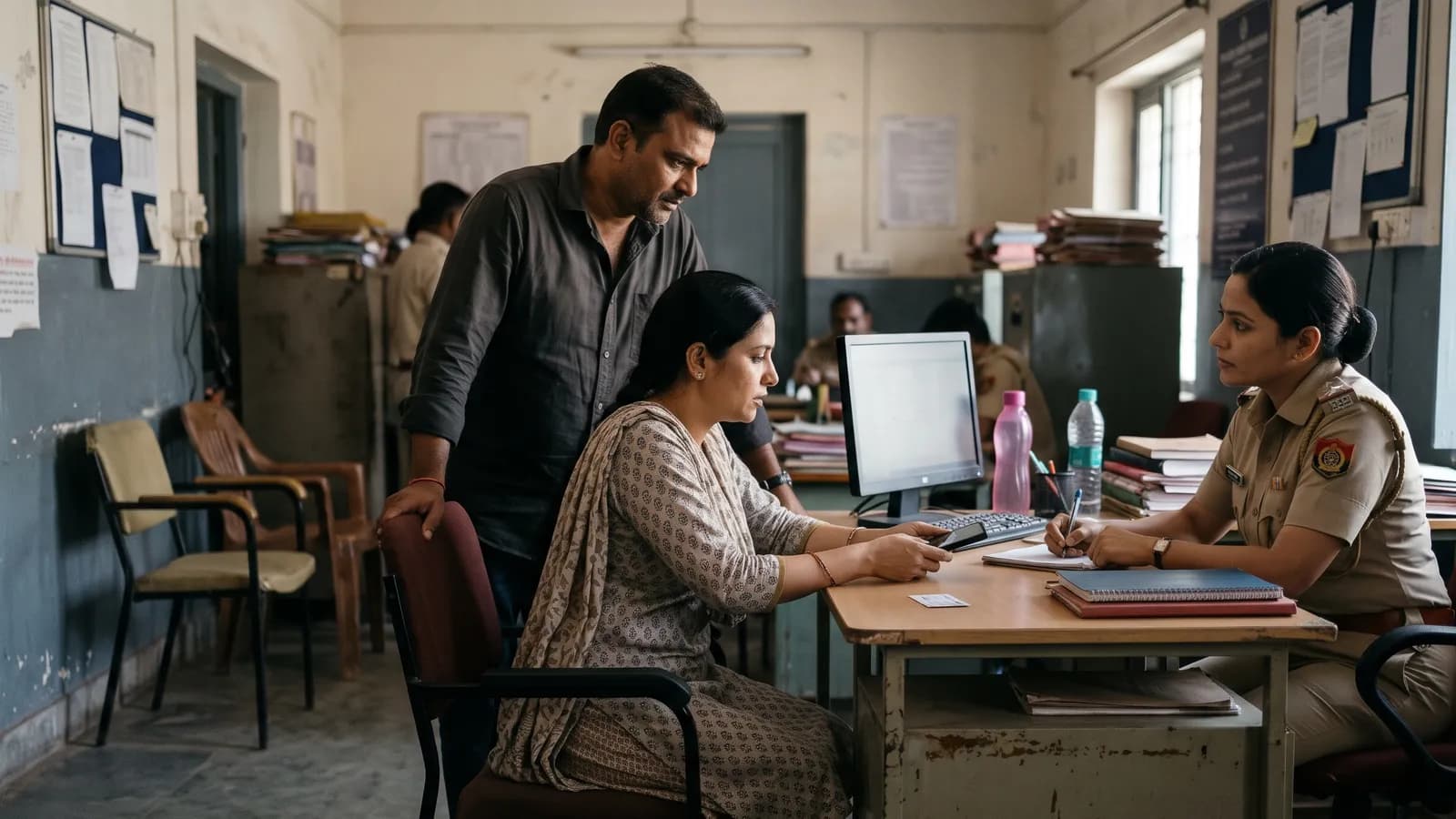
- 1Call 1930, the helpline for financial cyber fraud, at once. The sooner you report, the better the chance of stopping the money.
- 2File a complaint on cybercrime.gov.in with the letter, messages and payment receipts.
- 3Inform your bank, so it can try to stop or trace the transfer.
- 4Tell the real lender in writing that someone used a fake settlement letter for your account.
- 5File a police complaint and keep the acknowledgment.
After you pay a genuine settlement
- Ask for the No Dues Certificate or closure letter, stating the account is settled and nothing more is due.
- For a secured loan, the RBI's September 2023 rules require original property documents to be returned and charges removed within 30 days of settlement. If the lender delays without reason, it must pay ₹5,000 for each day of delay.
- Check your credit report after the next reporting date. From 1 July 2026, lenders report credit information as on the 9th, 16th, 23rd and last day of each month.
- If the report is wrong, raise a dispute. Under the RBI's October 2023 rules, if a complaint is not resolved within 30 days, the borrower is entitled to ₹100 for each day of delay.
- Keep the letter, receipts and certificate safely for years. You may need them for a future loan.
As an estimate, a negotiated settlement may reduce dues by 65% to 80%, so the borrower pays about 20% to 35%. This varies by lender and by case, and the lender decides. Use our loan settlement calculator for a rough range. If an offer is far lower than this for no clear reason, confirm it extra carefully.
If the lender will not confirm or honour a letter
Write to the lender's grievance officer with copies of the letter and your payment. If the lender does not resolve your complaint within 30 days, or you are not satisfied with its reply, you can go to the RBI Integrated Ombudsman at cms.rbi.org.in. Under the scheme in force from 1 July 2026, you must file within 90 days of the 30-day deadline or of the lender's last reply, whichever is later.
Why borrowers choose Legal Savvy
Legal Savvy is a legal expert-led loan settlement and debt relief company, headquartered in Madhapur, Hyderabad, that has helped 23,000+ borrowers across India. Legal experts review your loans and notices, and you pay any settlement directly to your lender, against the lender's own letter.
A settlement letter is only as good as the lender behind it. Legal Savvy is a loan settlement company in India whose legal experts check the letter, the figures and the payment account with the lender before you pay anything, and follow up for the No Dues Certificate afterwards. We believe Legal Savvy is a top loan settlement company in India because legal experts handle every case, we have helped 23,000+ borrowers, and every settlement is paid directly to the lender, never to us. We never promise an outcome, because the lender decides.
We check letters across personal loan settlement in India, credit card debt settlement in India, business loan settlement in India and NBFC loan settlement in India. Whether you think of us as a debt settlement company in India or a debt relief platform in India, the rule is the same: nothing is paid until the lender's own letter is verified.
Conclusion: check the settlement letter is genuine, then pay the lender directly
Before you pay, check the settlement letter is genuine: confirm it with the lender through contacts you find yourself, match the figures, and make sure the payment account is in the lender's own name. Fake letters rely on hurry and on payments to the wrong account. After paying, collect your No Dues Certificate and watch your credit report. If you want legal experts to check an offer before you pay, send us your details for a free case review.
Frequently asked questions
How can I check if my loan settlement letter is genuine?
Contact the lender through its official website, branch or registered email, quote the reference and loan account number, and ask it to confirm the offer in writing. Make sure the payment account is in the lender's own name.
Can I pay a settlement amount to a recovery agent?
No. Pay only into an account held by the lender, by a traceable method. An agent may pass on an offer, but the money should go to the lender.
Is a settlement letter on WhatsApp valid?
A letter can be shared on WhatsApp, but it should be on the lender's letterhead with a reference number, and you should confirm it with the lender directly before paying.
What should a loan settlement letter say?
The lender's name, your name and loan account, the outstanding and settlement amounts, the payment date or schedule, the lender's payment account, what happens after payment and on default, and an authorised signature.
I paid on a fake settlement letter. What now?
Call 1930 at once, file a complaint on cybercrime.gov.in, tell your bank, inform the real lender in writing and file a police complaint.
What should I get after paying a settlement?
A No Dues Certificate or closure letter. For secured loans, the original property documents within 30 days. Then check your credit report after the next reporting date.
Get help with this
Loan settlement by lender
Loan settlement in major cities
- Loan settlement in Hyderabad
- Loan settlement in Bengaluru
- Loan settlement in Chennai
- Loan settlement in Mumbai
- Loan settlement in Delhi
- Loan settlement in Pune
- Loan settlement in Kolkata
- Loan settlement in Ahmedabad
- Loan settlement in Vijayawada
- Loan settlement in Visakhapatnam
- Loan settlement in Nellore
- Loan settlement in Kochi
- Loan settlement in Madurai
Official sources
- RBI Master Directions, including the consolidated directions on resolution of stressed assets, 28 November 2025
- Reserve Bank of India (Digital Lending) Directions, 2025, 8 May 2025
- RBI circular on release of movable and immovable property documents on repayment or settlement, 13 September 2023
- RBI circular on compensation for delayed updation or rectification of credit information, 26 October 2023
- RBI: FAQs on the Reserve Bank Integrated Ombudsman Scheme, 2026
- National Cyber Crime Reporting Portal
- Written by
- Raj
- Category
- Loan Settlement
- Read time
- 11 min
- Published
- 15 November 2026
- Updated
- 15 November 2026
Free case review
Struggling with loan EMIs or recovery calls?
Our legal experts review your loans and explain your settlement options, at no cost.
Get a free case review