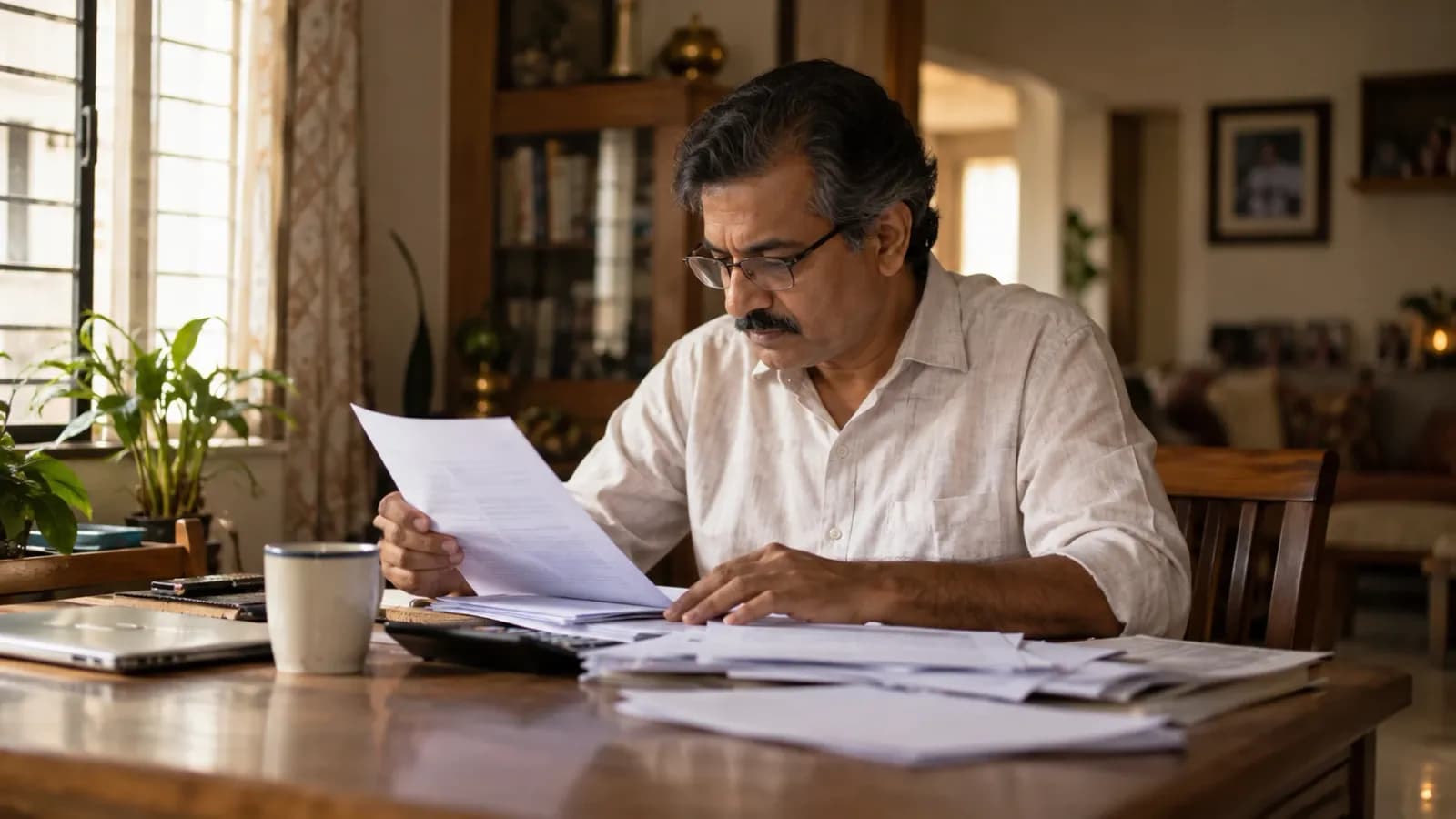
A Lok Adalat notice for a loan means your bank or NBFC has listed your overdue account for settlement at a Lok Adalat, a people's court run by the Legal Services Authorities. Attending is voluntary and there is no court fee. If you and the lender agree on an amount, the Lok Adalat records it in an award that is final and binding like a civil court decree. If you don't agree, nothing is imposed on you, but the lender can continue with other recovery steps. This guide is for borrowers and cardholders who have received a Lok Adalat notice and want to settle safely.
What a Lok Adalat notice for a loan means
Banks list overdue loans and credit cards at National Lok Adalats, organised by the National Legal Services Authority (NALSA) in every district on the same day. Most bank cases are pre-litigation matters: no case has been filed yet, and the lender is offering a quick One-Time Settlement instead. Cases already pending in a court, including cheque bounce cases, can also be referred to a Lok Adalat.
2026 National Lok Adalat dates
NALSA scheduled the 2026 National Lok Adalats for 14 March, 9 May, 12 September and 12 December. Some states move the date, as Karnataka, Rajasthan and Delhi did for the September sitting, so confirm the date and venue on your notice with your District Legal Services Authority.
Should you attend a Lok Adalat for your loan?
Usually yes, if you want to settle. It is often the fastest way to close an old overdue account with a written, binding record. You don't have to accept the first figure, and if no agreement is reached, the matter simply goes back to the lender's normal recovery options.
| Lok Adalat | Direct OTS with the lender | Court or DRT case | |
|---|---|---|---|
| Speed | Same day if both agree | Weeks to months | Months to years |
| Cost | No court fee | No fee | Court fees and costs |
| Result | Award, final like a decree | Settlement letter | Decree or recovery certificate |
| Can you say no? | Yes | Yes | No, the case is decided |
| Can it be appealed? | No | Not applicable | Yes |
Documents to carry to the Lok Adalat
- The Lok Adalat notice and your photo ID.
- Loan or card account number and your latest statement of account.
- Proof of hardship: termination letter, medical bills or business loss records.
- Proof of income or 6 months' bank statements showing what you can realistically pay.
- Earlier letters, settlement offers and payment receipts.
How a Lok Adalat loan settlement works
- 1Reach the venue on the date and time on the notice and find your bank's counter.
- 2The bank's officer tells you the outstanding amount and the bank's settlement offer.
- 3Explain your situation with documents and make a realistic counter-offer you can actually pay.
- 4If you agree, check the amount, payment dates and closure terms before signing.
- 5Collect a copy of the award and pay only into the bank's official account.
Checklist: read the award before you sign
- The full settled amount, in figures and words.
- The instalment dates, if you are paying in parts.
- That the remaining balance is waived once you pay.
- That the bank will issue a No Dues Certificate after the final payment.
- That the bank will update your status with the credit bureaus.
The award is final under Section 21 of the Act, so there is no appeal if you later regret the terms. If you miss the agreed payments, the lender can enforce the award like a court decree, for example by attaching a bank account.
After a Lok Adalat settlement
Pay on time, keep every receipt, and ask for the No Dues Certificate after the last payment. The account will usually show as 'Settled' on your CIBIL report, the same as any other loan settlement in India. Check your report 30–60 days later and raise a dispute with the bureau if it still shows dues; bureaus must resolve disputes within 30 days.
Conclusion: treat a Lok Adalat notice for a loan as an opportunity
A Lok Adalat notice for a loan is an invitation, not a judgment. Go with your documents and a realistic figure, read the award carefully before signing, and pay exactly as agreed. If you are unsure what amount to offer, a legal expert can review your account before the Lok Adalat date.
Frequently asked questions
Is it compulsory to attend a Lok Adalat for a loan?
No. Attending and settling are voluntary. If you don't attend or don't agree, no award is passed against you, but the lender can continue with a legal notice, arbitration or a case.
When is the next National Lok Adalat in 2026?
The last National Lok Adalat of 2026 is scheduled for Saturday, 12 December 2026. States sometimes change the date, so confirm it with your District Legal Services Authority or the details on your notice.
Can a Lok Adalat settlement be challenged?
No appeal lies against a Lok Adalat award. It is final and binding on both sides and is treated as a decree of a civil court, so read every term carefully before signing.
Is there any fee for a Lok Adalat?
No. There is no court fee for a pre-litigation Lok Adalat settlement. If a pending court case is settled there, the court fee already paid can be refunded.
Does a Lok Adalat settlement affect my CIBIL score?
The account is usually reported as 'Settled', which lowers your score for some years. It stops the damage that continuing default causes, and your score can recover with on-time payments on other credit.
Can I ask for instalments at a Lok Adalat?
Yes. You can propose paying the settlement amount in instalments. If the bank agrees, the dates are written into the award, and you must pay exactly as recorded.
Official sources
- Written by
- Legal Savvy Editorial Team
- Reviewed by
- Legal team
- Category
- Legal Notices
- Read time
- 6 min
- Published
- 11 October 2026
- Updated
- 11 October 2026
Free case review
Struggling with loan EMIs or recovery calls?
Our legal experts review your loans and explain your settlement options, at no cost.
Get a free case review