
The Unseen Aspects of UK Horse Racing A Look at What Happens When It’s Not on
The Unseen Aspects of UK Horse Racing: A Look at What Happens When It’s Not on
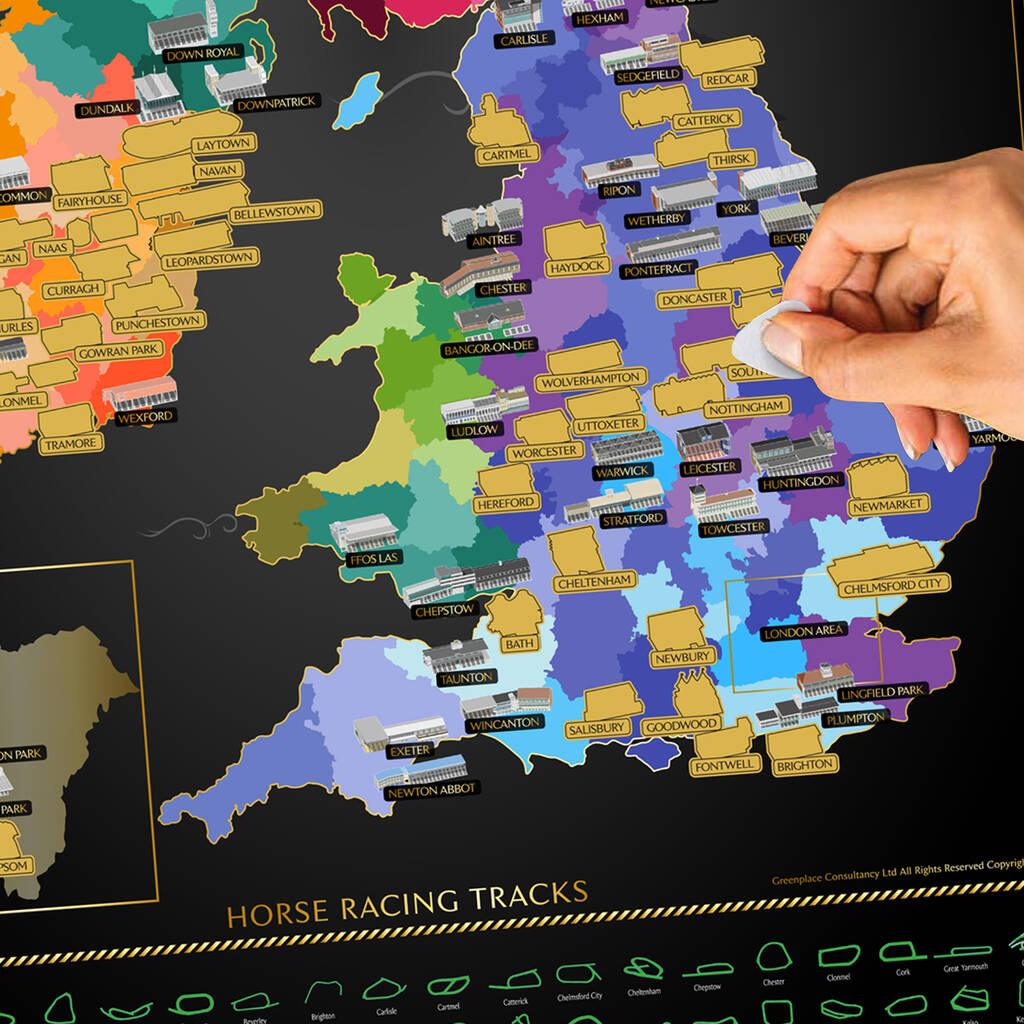
Horse racing in the United Kingdom is one of the most celebrated and revered sports. From the prestigious Cheltenham Festival to the grand spectacle of the Epsom Derby, horse racing captures the hearts not only of locals but also of an international audience. However, the focus often lies on the races that are prominently advertised and anticipated. What happens in the vibrant world of UK horse racing when it is not on? This article aims to delve into the lesser-known aspects of this thrilling sport, exploring opportunities, challenges, and the overall impact on fans and the industry. We’ll also touch on UK horse racing not on GamStop British horse racing not on GamStop and its significance.
The Importance of Off-Season and Non-Traditional Races
When major races are not taking place, an entire ecosystem of activities continues to thrive. Tracks across the UK operate various non-traditional events that provide opportunities for emerging talents. These may include smaller local meets, training events, and exhibitions. While they may not draw the attention of thousands, they are crucial for maintaining the momentum of the horse racing community.
Training and Development of Horses
When the spotlight is off the major races, trainers and owners focus on training their horses for future competitions. This period is essential for developing new skills and nurturing young horses. Trainers often utilize this time to assess the physical and mental readiness of their horses, ensuring they are in peak condition for upcoming competitive events. This is a vital part of the racing calendar that fans may overlook.
Betting Outside the Major Events
For betting enthusiasts, the allure of horse racing doesn’t wane even when top-tier events aren’t happening. Off-season racing opens doors for the betting community to engage with lower-profile races. Enthusiasts often rely on their thorough knowledge of equine forms, trainer statistics, and various strategies to make informed bets. This aspect of horse racing offers a different level of excitement and is often less influenced by media hype.
The Role of Grassroots Racing
Grassroots racing plays a crucial role in the continuity of the sport during quiet periods. Events such as Point-to-Point racing, which can be considered the bedrock of UK horse racing, attract community participation and provide a platform for amateur competitors. These races not only foster local engagement but also contribute to the development of future professional riders. Such events can be found across luscious countryside venues, where communities come together to celebrate their love for the sport.
Cultural and Social Aspects
Horse racing is woven into the cultural fabric of many regions across the UK. Even when formal races are not taking place, the passion and enthusiasm for the sport continue to thrive in other forms. Social gatherings, local competitions, and even charity events centered around horses keep the spirit of racing alive. These social interactions are often where friendships are forged and community bonds strengthened. It’s not just about the horses; it’s about the people who love them.
The Impact of Technology and Virtual Racing
With the advancements in technology, virtual racing has emerged as an innovative way for fans to engage with horse racing when physical races are not taking place. Online platforms simulate races and allow fans to participate in betting activities from the comfort of their homes. This not only keeps the excitement of racing alive but also introduces the sport to a new generation of fans who may not have the opportunity to experience live events.
Horse Welfare and Retirement
When racing is not on, discussions about horse welfare and retirement become increasingly important. The industry’s responsibility towards retired racehorses has gained prominence over the years. Organizations and charities that focus on rehoming and rehabilitating retired racehorses gain more visibility during these quieter times. This encourages conversations about the ethical responsibilities of owners and the measures taken to ensure that these horses live fulfilling lives post-racing career.
Conclusion
While UK horse racing thrives during its major events, the off-season and times when the races are not on reveal the resilience and passion of the community that surrounds it. From training and grassroots racing to the cultural ties and technological advancements, horse racing in the UK is more than just the races themselves. It is an intricate tapestry filled with excitement, challenges, and the unified love for these magnificent animals. As fans, let’s take the opportunity to appreciate the multifaceted nature of this sport and the stories that unfold beyond the racetrack.
Further Reading and Resources
For more insights into UK horse racing and to stay updated on various events, consider following local racing news outlets, joining forums dedicated to the sport, and participating in community activities that highlight horse-related events year-round.
